⭐ Your 2026 Luck Report is live! Want to seize your 2026 good fortune? Check your annual destiny forecast now 🔥⭐ Your 2026 Luck Report is live! Want to seize your 2026 good fortune? Check your annual destiny forecast now 🔥⭐ Your 2026 Luck Report is live! Want to seize your 2026 good fortune? Check your annual destiny forecast now 🔥⭐ Your 2026 Luck Report is live! Want to seize your 2026 good fortune? Check your annual destiny forecast now 🔥

🐲 Chinese Zodiac Calculator

The Chinese Zodiac is a foundational concept in Chinese astrology, corresponding to the Year Branch in Bazi (Four Pillars of Destiny). By entering your birth date, you can quickly identify your zodiac sign. This page also lists the most recent 12 years with their zodiac signs and Lunar New Year dates for easy reference.

While the zodiac provides useful general context, it represents only one part of a Bazi chart. For deeper, more personal insights into personality, luck, and life patterns, a full Bazi analysis is required.

Zodiac Calculator

Zodiac is calculated by Lunar New Year boundary.

Your birthday (Gregorian)
You can also calculate for today.
2026-02-07
Snake
shé
Snake
Earthly Branch
Benmingnian
20262038205020622074208620982110

What Are the 12 Zodiac Signs?

In Chinese culture, the Chinese Zodiac is a traditional system made up of twelve animals, forming a repeating yearly cycle. Each animal represents a lunar year and is believed to embody certain symbolic characteristics.

The twelve zodiac animals, in order, are: Rat, Ox, Tiger, Rabbit, Dragon, Snake, Horse, Goat (Sheep), Monkey, Rooster, Dog, and Pig. This sequence has been passed down for centuries and remains widely recognized today.

According to tradition, a person’s zodiac sign—determined by their birth year—is thought to influence personality traits. For example, those born in a Rat year are often described as clever and adaptable, while people born in a Dragon year are seen as bold and charismatic.

While these interpretations are symbolic rather than scientific, the Chinese zodiac remains a meaningful and enjoyable way for many people to describe identity, heritage, and personal traits—and it also serves as a gateway into deeper systems like BaZi (Four Pillars of Destiny).

Chinese Zodiac Chart (Rat, Ox, Tiger, Rabbit, Dragon, Snake, Horse, Goat, Monkey, Rooster, Dog, Pig)

The twelve zodiac animals follow a fixed repeating order, each corresponding to a lunar year and forming a foundational part of Chinese timekeeping and astrology.

What’s Your Zodiac Sign?

Calculating your Chinese zodiac sign is straightforward. It is primarily based on your birth year, following the Chinese lunar calendar’s 12-year cycle. Each year in the cycle is assigned one zodiac animal.

For example, 1991 was a Year of the Goat. If you were born in 1991, then your Chinese zodiac sign is Goat. Because the cycle repeats every twelve years, many charts and calculators can help match a birth year to its animal.

However, it’s important to remember that the Chinese zodiac year does not begin on January 1. It starts on the Lunar New Year, which usually falls in late January or February.

If you were born in January or early February, your zodiac sign may actually belong to the previous year. For instance, someone born before the 2022 Lunar New Year would still be an Ox, not a Tiger.

Chinese Zodiac Year List (1950–2050)

Note: Zodiac years follow the Lunar New Year boundary. For precise results by birthday, use the calculator above.

Ben Ming Nian – Your Zodiac Year of Birth

In Chinese astrology, Ben Ming Nianrefers to the year in which the zodiac animal matches your own birth sign. In other words, every 12 years— at ages 12, 24, 36, 48, and so on—you encounter your zodiac year again.

Traditionally, a Ben Ming Nian is considered a year of heightened significance and is sometimes believed to bring challenges or instability. Folklore suggests that one may “offend Tai Sui,” the guardian of the year, leading to obstacles in life.

To counter this, many people follow traditional customs during their zodiac year, such as wearing red clothing or accessoriesto ward off bad luck and invite good fortune.

While these beliefs are symbolic rather than scientific, many still view Ben Ming Nian as a meaningful reminder to stay mindful and reflective during an important life year.

Traits & Luck of the 12 Chinese Zodiac Signs

Rat (鼠 / shǔ)

Rat zodiac cover image

People born in the Year of the Rat are widely seen as intelligent, quick-witted, and adaptable, able to read situations easily and respond with clever solutions. They are generally sociable and charming, making friends quickly and maintaining strong social networks. Rats are also hardworking and resourceful, with a practical approach to managing life’s challenges and opportunities. Emotionally, they tend to be sensitive and empathetic, caring deeply for close friends and partners, and they value security and stability in relationships. While they can be warm and loyal, Rat individuals may also be cautious in expressing their feelings and sometimes appear reserved until they fully trust someone. Their keen intuition helps them navigate social dynamics, though it can also make them slightly wary or cautious at times. Overall, Rats combine sharp intellect with emotional depth, making them engaging and dependable companions.

  • Yin/Yang & Earthly Branch: Yang ☀️/Zi
  • Time Period: 23:0001:00 · In traditional Chinese timekeeping, the day is divided into twelve double-hours. The Rat corresponds to Zǐ hour (23:00–00:59), when rats are most active at night. As the first branch in the cycle, it symbolizes the beginning of a new day and the start of the zodiac sequence.
  • Cultural Meaning: In Chinese culture, the Rat holds significant symbolic meaning beyond being the first of the twelve zodiac animals. It represents intelligence, resourcefulness, and prosperity, as rats are known for their cleverness and ability to find and store food, which historically suggested wealth and abundance. During Lunar New Year celebrations, motifs such as “auspicious rats bringing fortune” are common in art and decorations. Folk tales and customs, like rat wedding imagery, reflect hopes for fertility and family continuity. As the zodiac cycle’s starting sign, the Rat also symbolizes new beginnings, opportunity, and positive transformation in the year ahead. 
  • Harmony & Conflict:

    In Chinese zodiac compatibility theory, the Rat has specific harmonious and conflicting relationships. The Rat forms a Liuhe (Six Harmonies) with the Ox, symbolizing mutual support and smooth cooperation, and a Sanhe (Three Harmonies) with the Monkey and Dragon, indicating strong compatibility and shared goals. Conversely, the Rat is clashing (Chong) with the Horse, often leading to disagreements or tension. It also has a Xing (Penal) relationship with the Rabbit and a Harm (Hai) relationship with the Goat, which can create friction or misunderstanding. Understanding these dynamics can help in relationships and teamwork.

Ox (牛 / niú)

Ox zodiac cover image

People born in the Year of the Ox are often seen as hardworking, steady, and dependable. They prefer structure, practical plans, and long-term commitments, and they tend to carry a strong sense of duty—especially toward family and close friends. Many Ox personalities are also traditional and cautious, valuing honesty and endurance. On the flip side, that persistence can turn into stubbornness, and they may appear reserved or emotionally guarded. In love, Ox individuals are typically slow to open up and may not be overly expressive, yet they show affection through consistency, protection, and daily care. Once committed, they’re loyal and nurturing, but they do best when they consciously practice clearer communication and soften possessiveness or rigidity to avoid unnecessary tension.

  • Yin/Yang & Earthly Branch: Yin ☁️/Chou
  • Time Period: 01:0003:00 · Chou hour runs from 1:00 to 3:00 a.m., when yin still dominates but yang begins to rise. It is traditionally linked with quiet replenishment, digestion, and mental reset rather than heavy work. Ox energy here suggests patience, steadiness, and preparing strength for the day ahead. Before dawn activity fully begins.
  • Cultural Meaning: In Chinese culture, the Ox symbolizes diligence, perseverance, honesty, and stability. Traditionally essential in agriculture for plowing fields and carrying burdens, the Ox came to represent hard work, productivity, and steady progress. During the Lunar New Year, Ox imagery and phrases like “auspicious Ox energy” are used to wish for good fortune, prosperity, and resilience. As the second animal in the zodiac cycle, the Year of the Ox is associated with focused effort and reliable achievement. Ox motifs also appear widely in folk art, paper-cuts, and festival decorations, reflecting deep roots in Chinese tradition and cultural values. 
  • Harmony & Conflict:

    In Chinese zodiac compatibility, the Ox has defined harmonious and conflicting relationships. Traditionally, the Ox is considered highly compatible with the Rat, forming a classic “six-harmonies” pairing with smooth communication and mutual support. The Ox is also seen as well-matched with the Snake and Rooster, where shared values and complementary traits can create stable, balanced connections. By contrast, the Ox tends to clash with the Tiger, Dragon, Horse, and Goat , whose personalities and approaches to life often differ sharply from the Ox’s steadfast and methodical nature. These combinations may require extra effort, compromise, and communication to maintain harmony.

Tiger (虎 / hǔ)

Tiger zodiac cover image

People born in the Year of the Tiger are widely seen as brave, confident, and passionate individuals. They possess a natural sense of leadership and are not afraid to take on challenges or stand up for what they believe in. Tigers are energetic and independent; they prefer doing things their own way and often inspire others with their boldness and enthusiasm. Their strong sense of justice and frank communication make them trustworthy and admirable in both personal and professional relationships. Emotionally, Tigers are generous and expressive, giving deeply to those they care about and expecting loyalty in return. However, their intensity and determination can sometimes become stubbornness or impatience, especially when things don’t go as planned. This combination of courage, charisma, and emotional sincerity makes Tiger people magnetic and inspiring, though they may benefit from learning patience and sensitivity in close relationships. 

  • Yin/Yang & Earthly Branch: Yang ☀️/Yin
  • Time Period: 03:0005:00 · Yin Hour marks the shift from night to dawn. Ancient observers noticed tigers were most active then, so the branch Yin is paired with Tiger. In metaphysics it’s when yang qi starts rising, like spring buds, signaling initiative, courage, and decisive action before the day opens to the world.
  • Cultural Meaning: In Chinese culture, the tiger is a powerful and auspicious symbol, widely regarded as the “king of all beasts.” It represents courage, strength, authority, and protection, often featured in art, folklore, and traditional objects to ward off evil and bring good fortune. Tigers are associated with yang energy — symbolizing vitality, bravery, and auspicious power — and appear in many folk customs, such as decorative tiger imagery used during festivals and protective charms for children. As one of the 12 zodiac animals, the Tiger embodies noble traits and is deeply woven into China’s cultural and symbolic heritage. 
  • Harmony & Conflict:

    In Chinese zodiac compatibility, the Tiger has specific affinity and conflict relationships with other signs. The Tiger forms a “six harmony” (Liu He) with the Pig , indicating mutual support and ease of connection. It also participates in a “three-way harmony” (San He) with the Horse and Dog , suggesting good cooperation and emotional balance in friendship or partnership. Conversely, the Tiger clashes with the Monkey , as their energies often create tension and disagreement, and is said to be in harm or punishment relationships with the Snake , which can lead to frequent misunderstandings or conflict. Understanding these traditional affinities helps guide relationships and social harmony in zodiac culture.

Rabbit (兔 / tù)

Rabbit zodiac cover image

People born in the Year of the Rabbit are often described as gentle, courteous, and harmony-seeking. They tend to be friendly and approachable, preferring tact and diplomacy over open confrontation, and they usually keep relationships smooth by avoiding needless arguments. Rabbits are also seen as cautious and refined, with a quiet sense of taste and a preference for steady, low-risk progress rather than impulsive moves. In love, they’re frequently portrayed as sensitive and emotionally attuned: they value romance, comfort, and a “decent” atmosphere, but may seem guarded at first while they assess trust and stability. Once committed, Rabbits can be loyal and caring partners who rarely explode in anger; however, when criticized harshly or made to feel insecure, they may withdraw, overthink, or protect themselves by becoming distant instead of fighting.

  • Yin/Yang & Earthly Branch: Yin ☁️/Mao
  • Time Period: 05:0007:00 · Mao hour is early dawn, when darkness fades and yang energy begins to rise but stays gentle. Traditionally it’s a good time to wake up, stretch, breathe fresh air, read, and set intentions for the day. It corresponds to Wood: growth, renewal, progress. Keep actions calm, focused, and kind.
  • Cultural Meaning: In Chinese culture, the Rabbit holds rich symbolic meaning beyond being a zodiac sign. It is widely regarded as a symbol of luck, peace, and longevity, often seen as gentle yet alert and clever. The rare white rabbit was traditionally considered an auspicious omen, and the famous Jade Rabbit in the moon palace, pounding elixir for immortality, represents purity, selflessness, and timeless life. Rabbits also symbolize fertility and prosperity, reflecting wishes for many children and family harmony. Folk customs such as Rabbit lanterns at the Lantern Festival and rabbit motifs in weddings and art celebrate these positive associations.
  • Harmony & Conflict:

    In Chinese zodiac compatibility, people born in the Year of the Rabbit generally get along best with the Pig, Goat (Sheep), and Dog, forming harmonious bonds that support smooth communication, mutual understanding, and emotional or professional harmony. These signs are considered the Rabbit’s best matches in relationships and life partnerships. Conversely, the Rabbit tends to clash with the Rooster, a classic zodiac conflict where personalities and values differ significantly, potentially leading to misunderstanding and friction. Some traditions also note tension between Rabbit and the Rat or Dragon, indicating more challenging dynamics that may need extra effort and patience to manage.

Dragon (龙 / lóng)

Dragon zodiac cover image

People born in the Year of the Dragon are often described as confident, energetic, and ambitious. In Chinese zodiac tradition, Dragons tend to project strong presence, aim high, and enjoy taking the lead, showing courage and decisiveness when pursuing goals. They can be imaginative and ideal-driven, but their pride and competitive streak may also make them stubborn, impatient, or overly intense at times. In relationships, Dragons are typically warm, passionate, and expressive, craving admiration and respect as much as affection. Once committed, they can be loyal and protective, yet they may struggle with control issues or friction when they feel challenged. A Dragon’s love thrives best with honest communication, mutual appreciation, and enough space for both partners to shine.

  • Yin/Yang & Earthly Branch: Yang ☀️/Chen
  • Time Period: 07:0009:00 · Chen hour is the Dragon’s time in traditional shichen. Morning mist lifts, sunlight strengthens, and people begin breakfast and daily work. In folklore, dragons rise with clouds to bring rain, symbolizing awakening vitality, upward momentum, and change. It’s also used in Bazi to mark yang Earth energy.
  • Cultural Meaning: In Chinese culture, the Dragon is a paramount cultural symbol embodying power, nobility, luck, and prosperity. Unlike Western fire-breathing dragons, the Chinese dragon is seen as a benevolent and auspicious creature that controls water, weather, and rainfall, linking it to agricultural fortune. Historically, emperors used dragon imagery to represent imperial authority and divine right. Dragon motifs feature prominently in festivals, art, dance (such as the dragon dance), and architecture, symbolizing strength, wisdom, and harmony. Today, the dragon remains a cherished emblem of Chinese identity and cultural pride, celebrated widely during Lunar New Year and other traditional occasions. 
  • Harmony & Conflict:

    In Chinese zodiac tradition, the Dragon’s compatible relationships include the Rat and Monkey , forming a harmonious “three-way match” where mutual support and understanding are likely. The Dragon also has an “earthly branch harmony” (Liuhe) with the Rooster , indicating supportive and complementary interactions. Conversely, the Dragon’s main conflict is with the Dog , a pairing traditionally seen as challenging due to differing temperaments and values. Some sources also note tension with the Rabbit . These compatibility and conflict patterns are based on ancient zodiac pairing rules using the Earthly Branches and reflect cultural beliefs about balanced and imbalanced relationships.

Snake (蛇 / shé)

Snake zodiac cover image

In Chinese zodiac folklore, people born in the Year of the Snake are often portrayed as calm, observant, and highly intuitive—the type who thinks before acting and prefers privacy over oversharing.  They’re frequently described as strategic and determined, relying on their own judgment and moving at a measured pace rather than being impulsive.  In relationships, Snakes are commonly seen as slow to open up but deeply devoted once committed, placing a premium on trust and emotional security.  Because they value loyalty, they may be sensitive to mixed signals and can appear guarded, protective, or occasionally jealous when they feel uncertain. 

  • Yin/Yang & Earthly Branch: Yang ☀️/Zi
  • Time Period: 09:0011:00 · Si Hour also called “Yuzhong,” when the sun is climbing toward midday. In BaZi, the birth time that falls in this window determines the Hour Pillar used for charting. Traditionally, it’s a focused time for planning and action.
  • Cultural Meaning: In Chinese culture and folklore, the Snake carries rich symbolism beyond its role as the sixth animal in the zodiac. It is widely associated with wisdom, intuition, transformation, and life force, partly because its ability to shed skin evokes renewal and change. Snakes are also connected with mystery and spiritual power, and in some traditions are affectionately called “little dragons” due to their cultural link with the dragon mythos. While they can embody auspicious qualities like good fortune and longevity, snakes also reflect complexity and duality, symbolizing both hidden strength and potential danger in mythology, art, and festive customs.
  • Harmony & Conflict:

    In Chinese zodiac compatibility, the Snake’s relational dynamics include both harmonious and conflicting pairings. Snakes form a “Six Harmony” (Liu He) with the Monkey and are part of a “Three Harmony” (San He) group with the Rooster and Ox, meaning these signs tend to work well together and enjoy mutual support. Conversely, the Snake is traditionally considered in clash or conflict with the Pig, and has less favorable interactions with the Tiger and sometimes the Monkey, which may lead to misunderstandings or tension. Therefore, Ox, Rooster, and Monkey are seen as more compatible, while Pig and Tiger pairings are often viewed as challenging in Chinese zodiac lore.

Horse (马 / mǎ)

Horse zodiac cover image

People born in the Year of the Horse are typically energetic, warm-hearted, and deeply independent. They enjoy socializing and often become the life of the party due to their cheerful, outgoing nature. Horse individuals are quick thinkers with lively minds and strong intuition, making them adaptive and capable of thriving in dynamic environments. Their enthusiasm and optimism inspire those around them, and they tend to attract friends easily because of their friendly and generous disposition. In relationships, Horses are passionate, romantic, and sincere, yet they also cherish personal freedom and space, which can sometimes make commitment feel challenging. While they are confident and decisive, they may exhibit impatience or impulsiveness when situations become restrictive or routine. Despite these challenges, Horses value honesty and loyalty, and when they choose a partner, they bring warmth, excitement, and genuine care into the relationship, striving to maintain joy and harmony. 

  • Yin/Yang & Earthly Branch: Yang ☀️/Wu
  • Time Period: 11:0013:00 · Wu hour centers on midday, when yang qi peaks and Fire energy is strongest.
  • Cultural Meaning: In Chinese culture, the Horse holds rich symbolic meaning, representing vitality, speed, strength, and freedom. Historically essential in transport, agriculture, and warfare, horses became enduring symbols of progress and endurance. In zodiac tradition, the Horse is linked with dynamic energy and forward momentum, inspiring idioms such as “mǎ dào chéng gōng” (success arrives swiftly). During Horse years, people display horse imagery in New Year decorations and charms to invite good fortune and positive energy. The Horse’s cultural presence also reflects loyalty, courage, and an aspirational spirit, making it a beloved and auspicious emblem in festivals, art, and folk customs. 
  • Harmony & Conflict:

    In Chinese zodiac belief, the Horse has specific harmonious and conflicting relationships with other signs. The Horse forms a classic Three Harmonies trio with Tiger and Dog , creating strong mutual support and understanding, while its Six Harmony match is Sheep , representing a helpful companion or partner. On the conflict side, the Horse clashes with Rat , often reflecting differences in temperament and life approach, and may experience friction with the Ox due to contrasting priorities. Additionally, two Horses together can sometimes lead to competition rather than harmony. These symbolic relationships are part of traditional Chinese astrology and offer cultural insights rather than strict rules.

Goat (羊 / yáng)

Goat zodiac cover image

People born in the Year of the Goat (also called Sheep or Ram) are generally seen as gentle, compassionate, and empathetic individuals. They tend to be mild-mannered, polite, and considerate, with a deep sensitivity to the feelings of others. Goats often possess artistic creativity and an appreciation for beauty and harmony, which guides both their thinking and lifestyle. Although they may appear quiet or shy, they have a subtle inner strength and persistence that helps them follow through on their goals. In relationships, Goats are loyal and devoted partners who value emotional intimacy and mutual understanding. They shy away from conflict, preferring peaceful interactions and meaningful bonds rather than superficial connections. At times, their sensitivity can make them overly cautious or prone to worry, but their genuine kindness and nurturing disposition make them cherished friends and companions.

  • Yin/Yang & Earthly Branch: Yang ☀️/Wei
  • Time Period: 13:0015:00 · In the traditional double-hour system, each shichen equals about two modern hours. Wei hour marks the afternoon when sunlight declines, symbolizing Yin Earth—nourishment, containment, and steady maturation in Bazi for timing, temperament, and rhythm.
  • Cultural Meaning: In Chinese culture, the zodiac Goat (also Sheep or Ram) symbolizes gentleness, harmony, peace, and good fortune. Historically, goats and sheep have been valued for their contributions to daily life, and the character yáng is linked to auspicious meanings like kindness and prosperity. During the Year of the Goat, people traditionally wish for family harmony, personal well-being, and social tranquility. The Goat’s symbolic role appears in New Year decorations, folklore, and zodiac art, expressing hopes for abundance and happiness. While some modern interpretations vary, classic Chinese tradition emphasizes the Goat’s positive, peaceful, and prosperous cultural significance.
  • Harmony & Conflict:

    In traditional Chinese zodiac compatibility, the Goat’s best matches include the Rabbit and Pig , forming a harmonious Three Harmony (San He) trio that promotes balance and mutual support. The Goat also forms a Liu He (Six Harmony) pairing with the Horse, often seen as a supportive and complementary match. However, some zodiac signs are considered less compatible with the Goat. Notably, the Goat and Ox are a classic clash (Chong), suggesting potential tension and disagreement. Other signs like the Rat and Dog may also present challenges in relationships or cooperation, due to differing temperaments and priorities.

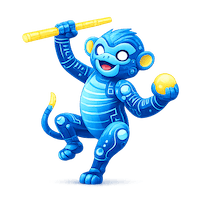
Monkey (猴 / hóu)

Monkey zodiac cover image

People born under the Monkey zodiac are often described as clever, quick-witted, and highly adaptable. They have sharp minds and great curiosity, which drives them to explore new ideas and solve problems creatively. Monkeys tend to be socially confident and charismatic, easily making friends and engaging with diverse groups. Their sense of humor and energetic presence often make them entertaining companions, and they thrive in dynamic environments where they can use their talents fully. Emotionally, Monkey individuals are warm, affectionate, and expressive with those they care about, using both words and actions to show their feelings. However, they can also be impatient and sometimes overly enthusiastic, which may lead to frustration or impulsive choices when things do not go as expected. Balancing their boundless energy with patience and thoughtful reflection can deepen their relationships and enhance emotional stability. 

  • Yin/Yang & Earthly Branch: Yang ☀️/Shen
  • Time Period: 15:0017:00 · Shen hour traditionally called “Bu shi,” it was an afternoon period for a meal and winding down work. In Bazi, it hints at quick thinking and agility, but always depends on the full chart.
  • Cultural Meaning: In Chinese culture, the Monkey holds rich symbolic meaning beyond being one of the twelve zodiac animals. It represents cleverness, resourcefulness, adaptability, and lively energy, often celebrated in folklore, art, and literature. The most iconic cultural figure is Sun Wukong, the Monkey King from Journey to the West, embodying wit, courage, and transformation. Folk art frequently features monkey motifs, such as paper cuts and paintings, symbolizing longevity and good fortune. In some traditions, the Monkey is even honored in “Monkey God” festivals, reflecting its role in cultural belief and communal practices. Overall, the Monkey symbolizes intelligence, agility, and joyful spirit in Chinese cultural life. 
  • Harmony & Conflict:

    In Chinese zodiac tradition, the Monkey has specific harmonious and conflicting relationships with other signs. The Monkey forms a three-way harmony (Sanhe) with the Rat and Dragon , often leading to smooth communication, mutual support, and shared goals. There is also a six-compatible (Liuhe) connection with the Snake , which can promote understanding and cooperation. Conversely, the Monkey is traditionally seen as clashing with the Tiger , due to opposing energies and frequent disagreements, and is considered a poor match with the Pig , where differences in values may cause friction. These associations are cultural guides and may vary in individual relationships.  

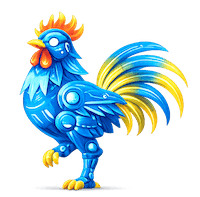
Rooster (鸡 / jī)

Rooster zodiac cover image

In Chinese zodiac lore, Roosters are often portrayed as sharp-eyed, hardworking, and highly organized—people who notice details quickly and prefer clear standards. They can be frank and outspoken, willing to say what they think and to defend their principles, which makes them effective “quality checkers” in groups. At the same time, this directness may come across as picky, proud, or inflexible when stressed. In love and relationships, Roosters are typically described as valuing loyalty, respect, and stability, showing care through practical support—planning, problem-solving, and keeping life in order. They often appreciate partners who are reliable and motivated, but may become critical or controlling if they feel insecure. This is a cultural, generalized profile rather than a personal verdict; real compatibility depends on the whole BaZi chart and individual experiences.

  • Yin/Yang & Earthly Branch: Yang ☀️/Zi
  • Time Period: 17:0019:00 · You hour, when daylight fades and roosters naturally return to their roosts. In traditional time lore it marks gathering-in and closure: finishing tasks, checking what’s been done, and preparing for the night. In BaZi readings, it often signals inward focus and orderly wrap-up before rest and renewal.
  • Cultural Meaning: In Chinese cultural and folk tradition, the Rooster symbolizes diligence, punctuality, honesty, vigilance, and auspiciousness. Because the rooster crows reliably at dawn, it has long been associated with marking time, order, and driving away darkness. In agrarian society it heralded the start of a new day, reflecting reliability and responsibility. Folk expressions like “rise at the rooster’s crow” praise hard work and discipline. Rooster imagery appears in New Year decorations and art as a sign of good fortune, protection, and clarity, embodying both everyday practicality and deeper cultural hopes for success and well-being.
  • Harmony & Conflict:

    In Chinese zodiac tradition, the Rooster’s compatibility and conflict relationships help describe social and romantic dynamics. Roosters are often considered highly harmonious with the Ox, Snake, and Dragon , whose traits complement their diligence, honesty, and drive—making communication and cooperation smoother. On the other hand, Roosters may encounter challenges with signs like the Rabbit and Dog , where differences in temperament and communication style lead to friction. Pairing two Roosters can also be difficult, as similar strong personalities may clash. These traditional compatibility patterns are cultural guidance rather than strict rules, reminding individuals to balance differences with understanding.

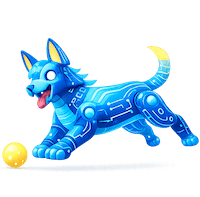
Dog (狗 / gǒu)

Dog zodiac cover image

People born in the Year of the Dog are widely known for their loyalty, honesty, and strong sense of duty. They tend to be sincere and straightforward, valuing truth and fairness in all relationships. Dog individuals are empathetic and caring, often putting the needs of friends and family before their own. They make faithful partners who stand by loved ones through good times and bad, and they are reliable companions in both work and life. Emotionally, Dogs take relationships seriously and often form deep bonds with those they trust. Although they are warm-hearted, they can sometimes be anxious or overly cautious, worrying about potential problems or conflicts. In social settings, they may not seek the spotlight, but their thoughtful nature and willingness to listen make them cherished friends. Their strong moral compass and protective instincts guide their actions, making them honest, supportive, and enduring in both personality and emotion.

  • Yin/Yang & Earthly Branch: Yang ☀️/Xu
  • Time Period: 19:0021:00 · The Xu hour marks dusk, when day turns into night in the traditional two-hour time system. It is linked with the Dog because dogs are considered most alert at this time, guarding the home. In Four Pillars (BaZi), the hour pillar reflects later life themes and instinctive patterns.
  • Cultural Meaning: In Chinese culture, the Dog symbolizes loyalty, protection, and justice. Seen as humans’ faithful companion and guardian, dogs are celebrated for their unwavering loyalty and readiness to defend family and community. Traditional folk tales and customs emphasize the dog’s role in safeguarding homes and providing dependable companionship. During the Year of the Dog, dogs are regarded as auspicious figures that bring safety and good fortune into the household. The Dog’s image often appears in festive art and decorations to convey wishes for peace, stability, and heartfelt sincerity throughout the year. 
  • Harmony & Conflict:

    In Chinese zodiac theory, the Dog sign has defined relationships with other animal signs. The Dog forms a Three Harmony group with the Tiger and Horse , which suggests natural affinity and mutual support. The Dog also has a Six Harmony or Liu He relationship with the Rabbit , indicating cooperation and harmony. The strongest conflict for the Dog is with the Dragon , known as a direct clash that can lead to misunderstandings and friction. Additional challenging interactions include penalty or harmful relations with signs like the Ox, Goat , or Rooster , which may require careful effort to maintain peace and understanding.

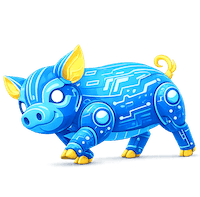
Pig (猪 / zhū)

Pig zodiac cover image

People born in the Year of the Pig are typically known for their honesty, kindness, and generous nature. They have a warm and open personality that makes them pleasant and trustworthy companions. Pig individuals are often calm and tolerant, valuing harmony in their relationships and avoiding unnecessary conflict. Emotionally, they are caring and loyal partners who devote themselves deeply to those they love, seeking stability and mutual support in long-term bonds. Their generous spirit and willingness to help others often attract strong friendships and lasting connections. Although their compassionate nature can sometimes make them appear naive or overly trusting, and they may lack perseverance at times, their integrity and warmth generally outweigh these tendencies. Overall, Pigs bring sincerity, devotion, and emotional depth to both friendships and romantic relationships.

  • Yin/Yang & Earthly Branch: Yin ☁️/Hai
  • Time Period: 21:0023:00 · Hai hour is the last of the twelve two-hour periods in traditional Chinese timekeeping and corresponds to the Earthly Branch Hai (亥), linked with the Pig. It is often associated with settling down for the night—quiet, rest, and recovery—when activity winds down and sleep becomes most suitable.
  • Cultural Meaning: In Chinese culture, the Pig is traditionally a powerful symbol of wealth, good fortune, and abundance, rooted in its historical role as an essential household asset in agrarian society. Its plump form represents prosperity and material well-being, and it often appears in New Year decorations and folk art to attract luck. Beyond material success, the Pig symbolizes honesty, generosity, and peaceful domestic life, reflecting cherished values of harmony and stability. As the last animal in the zodiac cycle, it also signifies completeness and readiness for renewal, embodying both cultural heritage and auspicious meaning in East Asian traditions. 
  • Harmony & Conflict:

    For the Pig (亥), the most auspicious bonds include the Three-Harmony group with Rabbit and Goat, and a Six Harmony (Liu He) with Tiger, suggesting smooth cooperation and mutual support. Conversely, the Pig often clashes (Xiāngchōng) with the Snake, which may bring misunderstandings and friction, and it has a harmful (Xiānghài) relationship with the Monkey, reflecting potential value or communication gaps. The Pig also experiences self-conflict , which highlights the need for self-awareness. These traditional associations are commonly referenced in matchmaking and social compatibility interpretations.  

Chinese Zodiac for the Last 12 Years

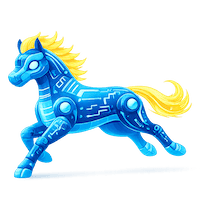
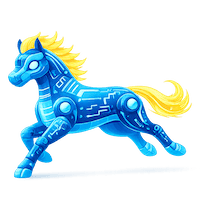
2026 Chinese Zodiac

Horse zodiac image

Horse · 马 · mǎ

Lunar New Year startsFeb 17, 2026

Earthly Branch:
Wu (Fire)

2025 Chinese Zodiac

Snake zodiac image

Snake · 蛇 · shé

Lunar New Year startsJan 29, 2025

Earthly Branch:
Si (Fire)

2024 Chinese Zodiac

Dragon zodiac image

Dragon · 龙 · lóng

Lunar New Year startsFeb 10, 2024

Earthly Branch:
Chen (Earth)

2023 Chinese Zodiac

Rabbit zodiac image

Rabbit · 兔 · tù

Lunar New Year startsJan 22, 2023

Earthly Branch:
Mao (Wood)

2022 Chinese Zodiac

Tiger zodiac image

Tiger · 虎 · hǔ

Lunar New Year startsFeb 01, 2022

Earthly Branch:
Yin (Wood)

2021 Chinese Zodiac

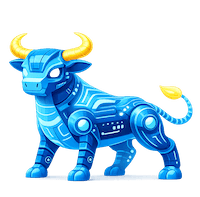
Ox zodiac image

Ox · 牛 · niú

Lunar New Year startsFeb 12, 2021

Earthly Branch:
Chou (Earth)

2020 Chinese Zodiac

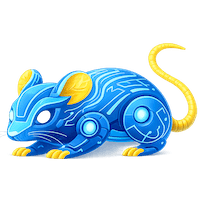
Rat zodiac image

Rat · 鼠 · shǔ

Lunar New Year startsJan 25, 2020

Earthly Branch:
Zi (Water)

2019 Chinese Zodiac

Pig zodiac image

Pig · 猪 · zhū

Lunar New Year startsFeb 05, 2019

Earthly Branch:
Hai (Water)

2018 Chinese Zodiac

Dog zodiac image

Dog · 狗 · gǒu

Lunar New Year startsFeb 16, 2018

Earthly Branch:
Xu (Earth)

2017 Chinese Zodiac

Rooster zodiac image

Rooster · 鸡 · jī

Lunar New Year startsJan 28, 2017

Earthly Branch:
You (Metal)

2016 Chinese Zodiac

Monkey zodiac image

Monkey · 猴 · hóu

Lunar New Year startsFeb 08, 2016

Earthly Branch:
Shen (Metal)

2015 Chinese Zodiac

Goat zodiac image

Goat · 羊 · yáng

Lunar New Year startsFeb 19, 2015

Earthly Branch:
Wei (Earth)

Origins of the Chinese Zodiac

The origin of the 12 zodiac animals is rich in legend and history. One famous mythical tale tells of the Jade Emperor’s Great Race. In this folk story, the Jade Emperor (the heavenly ruler) wanted to create a way to measure time and announced that a race would decide the order of the zodiac years . All the animals were invited to cross a great river, and the first twelve to finish would earn a place in the zodiac. According to the legend, the clever Rat hitched a ride on the Ox’s back during the river crossing and leapt ahead at the last moment, winning first place . The strong Ox came in second, followed by the swift Tiger, the agile Rabbit, the benevolent Dragon, and so on, until the friendly Pig waddled in as the twelfth and final zodiac animal  . This charming story – often told to children – explains why the zodiac animals are in their particular order and highlights characteristics (like the rat’s cunning or the ox’s diligence) that each sign is believed to exemplify.

Historically, the Chinese zodiac’s development can be traced back over 2,000 years. Records indicate that the 12-animal cycle was already established by the time of the Eastern Han Dynasty (25–220 AD) . The zodiac became intertwined with the traditional Chinese lunisolar calendar: each animal was associated with one of the 12 Earthly Branches used to denote years . Combined with the 10 Heavenly Stems (cycles of elements), this system formed a 60-year calendar cycle in which every year is characterized by both an animal sign and an element (e.g. Wood, Fire, Earth, Metal, or Water) . The use of animals likely drew on ancient Chinese folklore and totem worship, choosing creatures thought to hold cultural significance or astral symbolism (for example, the Tiger as a symbol of power, or the Rabbit associated with the moon) . Over time, the zodiac became a convenient way for people to mark years and also a beloved part of folk culture.

Mythological illustration showing the Jade Emperor and the Great Race of the Chinese Zodiac animals

According to legend, the Jade Emperor determined the order of the twelve zodiac animals through a great race across a river.

Cultural Significance of the Chinese Zodiac

The Chinese zodiac is deeply woven into everyday life and long-standing traditions. For centuries, it has served as an accessible and engaging framework for understanding personality traits, life tendencies, and the flow of fortune. Unlike abstract philosophical systems, the zodiac translates complex ideas about time, fate, and human nature into vivid animal symbols that are easy to remember and discuss. As a result, zodiac signs often appear in casual conversations, media, folklore, and popular culture, making them one of the most recognizable elements of Chinese tradition.

Zodiac Signs, Personality Traits, and Destiny Beliefs

A core belief surrounding the Chinese zodiac is that a person’s birth animal influences their temperament, strengths, and life path. Each zodiac animal is associated with symbolic qualities developed through centuries of cultural interpretation. For example, Dragons are often seen as ambitious, charismatic, and powerful, while Dogs are associated with loyalty, honesty, and a strong sense of justice. Although modern society may view these traits playfully, many people still find meaning in them, using zodiac descriptions as a way to reflect on personal identity and character.

Influence on Family Planning and Social Decisions

Belief in the zodiac extends beyond personal reflection and into real-life decision-making. In some families, zodiac signs influence important choices such as marriage timing or childbirth planning. Certain years—especially Dragon years—are widely regarded as particularly auspicious, leading to noticeable increases in birth rates during those periods. This phenomenon demonstrates how symbolic belief systems can shape collective behavior, even in contemporary, urbanized societies, blending tradition with modern life.

Role in Compatibility, Relationships, and Marriage

The Chinese zodiac also plays an important role in relationship and marriage compatibility. It is common to consider whether two people’s zodiac signs are harmonious or conflicting when evaluating romantic partnerships or marital prospects. This practice, often linked with broader systems like BaZi (Four Pillars of Destiny), reflects the belief that interpersonal harmony can be influenced by natural cycles and symbolic relationships. While not universally followed, zodiac compatibility remains a familiar reference point in matchmaking and relationship discussions.

Chinese zodiac symbolism used to represent relationship compatibility

The Chinese zodiac serves as a cultural reference for reflecting on harmony and balance in relationships.

Zodiac Symbolism in Festivals and Lunar New Year Traditions

During Lunar New Year celebrations, the zodiac animal of the incoming year takes center stage as a powerful cultural symbol. Decorations, greetings, artworks, and festive designs prominently feature the year’s animal, along with messages welcoming the strengths and positive qualities it represents. People often express hopes that the coming year will embody the animal’s virtues—such as resilience, wisdom, or vitality—making the zodiac an emotional and symbolic anchor for collective renewal and optimism.

Shared Heritage Across East and Southeast Asia

Although the Chinese zodiac originated in China, it spread widely throughout the Sinosphere and beyond, becoming a shared cultural heritage across East and Southeast Asia. Countries such as Vietnam, Korea, and Japan follow similar twelve-year animal cycles, sometimes with regional adaptations. This widespread adoption highlights the zodiac’s cultural flexibility and enduring appeal. Across borders, zodiac signs continue to serve as a playful yet meaningful way for people to connect with tradition, history, and a shared sense of cultural identity.

Integrating the Chinese Zodiac with Bazi

The Chinese Zodiac’s influence extends into more complex astrological systems like Bazi (八字), also known as the Four Pillars of Destiny. Bazi is a traditional form of astrology that uses a person’s birth time to chart out four “pillars” – the year, month, day, and hour of birth – each represented by two components (a Heavenly Stem and an Earthly Branch).

Notably, the Earthly Branches correspond to the 12 zodiac animals, meaning each pillar in a Bazi chart includes one of the zodiac signs. In simple terms, while your birth year determines one zodiac animal (your year sign), Bazi reveals that you actually have four zodiac signs in your birth chart: one for your birth year, one for your birth month, one for your birth day, and one for your birth hour.

For example, someone could be a Snake by year, a Rabbit by month, a Dragon by day, and a Ox by hour – a unique combination of animal influences that paints a much more detailed picture of their personality and fate than just the year animal alone.

Role of the zodiac in Bazi astrology

In a Bazi analysis, your year sign (the animal of your birth year) is considered one pillar, often thought to represent your early environment or how you appear socially. However, equal weight is given to the other three pillars, which are also denoted by zodiac animals and further modulated by the five elements.

The interplay between all four animal signs (and their elements) is what a Bazi practitioner studies to understand your character, relationships, and life potential. It is often emphasized that focusing only on your year animal is a simplification – true Chinese astrology looks at the full spectrum of your birth data.

Each animal in your chart can interact with the others in harmonious or antagonistic ways, contributing to your personal strengths and challenges.

This also extends to annual predictions: Chinese astrologers often examine how the zodiac animal of the current year will affect an individual based on the animals in their Bazi chart. An oft-cited guideline is that if the year’s animal is compatible with the animals in your chart, the year may go more smoothly, whereas if it conflicts, you might face challenges.

For example, in a Year of the Horse, those who have the Rat in their chart (Horse’s opposing sign) might be advised to exercise caution or carry protective talismans, while someone with a Goat in their chart (Horse’s ally) could expect a more favorable year.

In summary, the Chinese zodiac is not only a standalone system for fun horoscopes and cultural tradition, but also an integral part of the Four Pillars (Bazi) method of destiny analysis. Your zodiac sign provides a gateway into this richer astrological practice.

By understanding your year animal along with the other three zodiac signs from your birth data, Bazi offers a more comprehensive portrait of your life’s potential – including personality insights, compatibility with others, and auspicious or difficult periods to watch for.

It’s a fascinating blend of metaphysics and ancient wisdom, showing how the simple zodiac animals we celebrate each New Year actually connect to a deeper framework for understanding our destiny. Whether you’re a casual enthusiast of the Chinese zodiac or delving into serious Bazi astrology, these animal signs serve as symbolic keys to exploring character and fate, all presented in an approachable way that has captivated people for generations.

📖 Learn how Zodiac and BaZi are connected

Want to See Your Full BaZi Chart?

Relying on zodiac signs 🐲 alone is a very limited way to understand a person. Your complete BaZi chart — based on your birth year, month, day, and hour — offers a far more accurate view of your personality, relationship patterns, and long-term life direction.