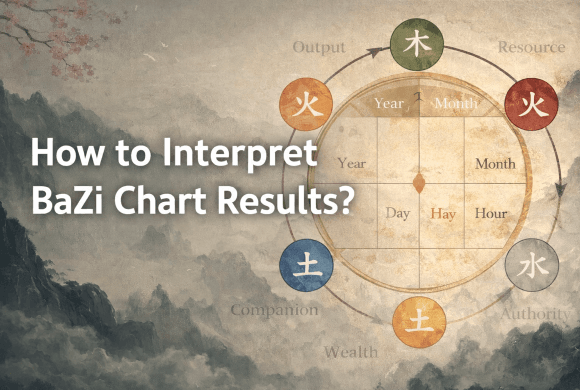
In BaZi (Four Pillars of Destiny, Four Pillars, 八字), the noble stars discussed here belong to the shen sha (神煞, symbolic stars) system. They are auspicious Gui Ren (贵人, noble people, benefactors) that describe forms of help, protection, timing, support, talent, and social ease that may appear in a chart.
Different noble stars point to different kinds of help. Tian Yi Gui Ren (天乙贵人, Heavenly Nobleman, Nobleman Star) is linked with timely support from capable people. Tai Ji Gui Ren (太极贵人, Supreme Ultimate Nobleman, Taiji Noble) points more to intelligence, reflection, and inner cultivation. Tian De (天德贵人, Heavenly Virtue) and Yue De (月德贵人, Monthly Virtue, Moon Virtue) are associated with virtue, grace, and the ability to reduce trouble. Wen Chang Gui Ren (文昌贵人, Literary Nobleman, Academic Star) supports learning, writing, and examination ability. Tian Chu Gui Ren (天厨贵人, Heavenly Chef, Heavenly Kitchen) is tied to enjoyment, nourishment, taste, and quality of life. Fu Xing Gui Ren (福星贵人, Fortune Star Nobleman, Lucky Nobleman) points to blessing, ease, and steady good fortune.
This page explains four things for each star:
- what it means
- how it is commonly identified
- what it means in the Year, Month, Day, and Hour Pillars
- a short real-life example
How to read noble stars in a BaZi chart
These shen sha noble stars add texture to a chart. They do not replace the Day Master, the Five Elements, the Ten Gods, or the branch interactions. Read them after the main chart structure is clear.
Traditional lookup rules vary by school for some stars. The most common reading method is straightforward:
- Tian Yi, Tai Ji, Wen Chang, Tian Chu, and Fu Xing are usually identified from the Day Stem, and many practitioners also check the Year Stem
- Tian De and Yue De are often checked from the month branch or seasonal branch group
After a star is identified, placement matters.
| Pillar | Main area of life |
|---|---|
| Year Pillar | family background, early life, elders, public image |
| Month Pillar | career path, work environment, parents, authority, daily responsibilities |
| Day Pillar | self, temperament, close relationships, marriage life |
| Hour Pillar | children, later life, ambitions, long-term plans, inner aims |
The same noble star feels different in different pillars. A study star in the Month Pillar often helps school or career development. The same star in the Hour Pillar often shows up later through teaching, writing, research, or a child with academic talent.
A quick summary of the main noble stars
| Noble star | Common English names | Main help it gives | Common lookup basis |
|---|---|---|---|
| Tian Yi Gui Ren | Heavenly Nobleman, Nobleman Star | rescue, mentors, influential support | Day Stem or Year Stem |
| Tai Ji Gui Ren | Supreme Ultimate Nobleman, Taiji Noble | insight, learning, spiritual interest | Day Stem or Year Stem |
| Tian De | Heavenly Virtue, Heavenly Grace | protection, moral support, smoother outcomes | Month branch group |
| Yue De | Monthly Virtue, Moon Virtue | kindness, goodwill, problem reduction | Month branch group |
| Wen Chang Gui Ren | Literary Nobleman, Academic Star | learning, writing, exams, expression | Day Stem |
| Tian Chu Gui Ren | Heavenly Chef, Heavenly Kitchen | food luck, refinement, nourishment | Day Stem |
| Fu Xing Gui Ren | Fortune Star Nobleman, Lucky Nobleman | blessings, ease, everyday good fortune | Day Stem or Year Stem |
Tian Yi Gui Ren (Heavenly Nobleman, Nobleman Star)
What Tian Yi Gui Ren means
Tian Yi Gui Ren is one of the best-known noble stars in the BaZi shen sha system. It represents timely help, practical support, useful introductions, and protection during difficult periods. When this star is active in a chart, the person often meets mentors, patrons, seniors, or capable allies who make problems easier to handle.
Classical and modern readings both place Tian Yi Gui Ren very high among auspicious stars. It is often read as the power that turns pressure into opportunity and brings support at the right moment.
When Tian Yi Gui Ren appears
Tian Yi Gui Ren is usually identified from the Day Stem, and many practitioners also check the Year Stem. The common lookup method matches the stem to one or two Earthly Branches. Different classical lines exist for a few stem-branch pairings, so modern readers usually follow the lookup table used by their school or software and then focus on interpretation.
What Tian Yi Gui Ren means in each pillar
Year Pillar: Tian Yi here often shows early support from family, elders, teachers, or the social environment. The person may grow up around people who open doors, offer protection, or smooth out early obstacles.
Month Pillar: Tian Yi in the Month Pillar often helps career progress, work relationships, and professional timing. Managers, clients, teachers, or senior colleagues may step in at key moments.
Day Pillar: Tian Yi in the Day Pillar affects the person directly. It often shows social grace, strong recovery after setbacks, and a tendency to attract useful support in daily life and close relationships.
Hour Pillar: Tian Yi in the Hour Pillar supports long-term plans, later-life development, children, students, or people under the person’s care. It often brings help after effort has already been invested. For example, a person with Tian Yi Gui Ren in the Month Pillar may face a stalled promotion, then receive direct support from a senior manager who recommends them for a stronger role.
Tai Ji Gui Ren (Supreme Ultimate Nobleman, Taiji Noble)
What Tai Ji Gui Ren means
Tai Ji Gui Ren points to intelligence, quiet depth, philosophical interest, and the ability to understand patterns below the surface. It is often associated with literature, history, religion, metaphysics, psychology, and reflective work.
This star gives the chart a contemplative quality. People with strong Tai Ji Gui Ren often like learning for its own sake. They think in systems, notice hidden meaning, and stay interested in subjects that require patience and inner focus.
When Tai Ji Gui Ren appears
Tai Ji Gui Ren is usually checked from the Day Stem or Year Stem against specific branches. The common rule set is widely used in BaZi software and traditional star tables.
What Tai Ji Gui Ren means in each pillar
Year Pillar: Tai Ji here often shows an early environment that values books, ideas, spiritual culture, or serious learning. It can also suggest a family background with a philosophical or religious influence.
Month Pillar: Tai Ji in the Month Pillar supports study, research, consulting, strategy, teaching, and any career that rewards insight and careful thought.
Day Pillar: Tai Ji in the Day Pillar often gives the person a thoughtful, observant, and inwardly steady nature. It can also shape relationship choices, drawing the person toward depth over excitement.
Hour Pillar: Tai Ji in the Hour Pillar often matures later. It may show up as teaching, writing, spiritual practice, mentoring, or a stronger interest in metaphysics after midlife. For example, a person with Tai Ji Gui Ren in the Hour Pillar may spend their early career in ordinary office work, then move into counseling, research, or metaphysics in later years.
Tian De (Heavenly Virtue, Heavenly Grace)
What Tian De means
Tian De represents virtue, protection, generosity, and a softer landing in difficult situations. It is one of the major auspicious stars used to judge whether a person can reduce conflict, receive grace, and avoid the worst outcome when a chart contains pressure.
Many readers also connect Tian De with a dignified personal manner. It supports goodwill, trust, and a cleaner reputation.
When Tian De appears
Tian De is commonly identified from the month branch group. The month sets the seasonal context of the chart, and Tian De is then located through the corresponding Heavenly Stem or Earthly Branch according to the school being used.
What Tian De means in each pillar
Year Pillar: Tian De in the Year Pillar often shows a decent family atmosphere, goodwill from elders, and a public image that benefits from trust and credibility.
Month Pillar: Tian De in the Month Pillar supports career conduct, reputation at work, and the ability to find a fair solution when professional problems arise.
Day Pillar: Tian De in the Day Pillar often makes the person kinder, more measured, and easier to trust. In close relationships, it supports forgiveness, emotional steadiness, and a cleaner way of handling tension.
Hour Pillar: Tian De in the Hour Pillar often points to calmer later years, good wishes from others, and long-term plans that receive support through goodwill rather than force. For example, a person with Tian De in the Day Pillar may go through a family disagreement and still preserve respect on both sides because they respond with restraint and fairness.
Yue De (Monthly Virtue, Moon Virtue)
What Yue De means
Yue De is often read together with Tian De. It represents kindness, empathy, tact, and help that arrives through goodwill, decent relationships, and moral influence. It is often linked with a softer, more interpersonal form of protection.
Yue De also suggests a person who benefits from doing things in a proper and humane way. It often improves how others respond to them.
When Yue De appears
Yue De is usually identified from the month branch group. Traditional systems connect each seasonal branch group with a corresponding stem used to locate the star.
What Yue De means in each pillar
Year Pillar: Yue De in the Year Pillar often shows support from the family network, maternal care, or a social environment where goodwill matters.
Month Pillar: Yue De in the Month Pillar often helps teamwork, office relationships, collaboration, and the ability to keep conflicts from escalating.
Day Pillar: Yue De in the Day Pillar usually makes the person gentle in manner, tactful in relationships, and more likely to receive emotional understanding from others.
Hour Pillar: Yue De in the Hour Pillar often points to supportive later-life connections, cooperative children or students, and smoother long-term human relationships. For example, a person with Yue De in the Month Pillar may avoid a serious workplace dispute because a colleague steps in and speaks for them in a calm and credible way.
Wen Chang Gui Ren (Literary Nobleman, Academic Star)
What Wen Chang Gui Ren means
Wen Chang Gui Ren is the star most closely linked with study, writing, language, scholarship, examination performance, and cultivated expression. In a modern setting, it supports academic work, publishing, content creation, teaching, analysis, and any field that depends on clarity of thought and communication.
This star often appears in charts of people who like reading, absorb knowledge quickly, and express themselves with precision.
When Wen Chang Gui Ren appears
Wen Chang is usually identified from the Day Stem by matching it to a corresponding branch. Many traditional charts and software list it directly as one of the standard auxiliary stars.
What Wen Chang Gui Ren means in each pillar
Year Pillar: Wen Chang in the Year Pillar often shows an early environment that values education, books, exams, writing, or polished speech.
Month Pillar: Wen Chang in the Month Pillar strongly supports academic performance, credentials, office writing, planning work, and public communication.
Day Pillar: Wen Chang in the Day Pillar gives the person a refined way of speaking and thinking. It often shows intellectual self-respect, curiosity, and careful expression in close relationships.
Hour Pillar: Wen Chang in the Hour Pillar often blooms through later study, writing projects, teaching work, or children who do well in school. For example, a person with Wen Chang in the Month Pillar may stand out in school, then later build a career in law, education, editing, research, or strategy writing.
Tian Chu Gui Ren (Heavenly Chef, Heavenly Kitchen)
What Tian Chu Gui Ren means
Tian Chu Gui Ren is associated with food, enjoyment, taste, hospitality, refinement, and nourishment. In older readings it points to good eating, kitchen luck, and material comfort. In modern life it can also show care through food, a strong sense of aesthetics, and skill in hospitality, lifestyle, wellness, or culinary work.
This star often adds warmth to a chart. It supports the ability to enjoy life and to create comfort for other people.
When Tian Chu Gui Ren appears
Tian Chu is usually checked from the Day Stem against a standard branch correspondence. It is often included in symbolic star systems that describe quality of life and fortunate daily conditions.
What Tian Chu Gui Ren means in each pillar
Year Pillar: Tian Chu in the Year Pillar often shows a family culture around food, hospitality, generosity, or a childhood with decent material care.
Month Pillar: Tian Chu in the Month Pillar supports work connected with food, service, wellness, events, hotels, beauty, or customer care. It also helps the person create a pleasant work environment.
Day Pillar: Tian Chu in the Day Pillar often shows personal taste, care in domestic life, and affection expressed through cooking, feeding, hosting, or creating comfort.
Hour Pillar: Tian Chu in the Hour Pillar often points to a fulfilling home life later on, or to a future path connected with lifestyle, food culture, or nurturing others. For example, a person with Tian Chu in the Day Pillar may be remembered by friends as the one who always hosts well, cooks well, and turns ordinary gatherings into warm experiences.
Fu Xing Gui Ren (Fortune Star Nobleman, Lucky Nobleman)
What Fu Xing Gui Ren means
Fu Xing Gui Ren represents blessing, ease, peace, stable good fortune, and a life that receives more support than resistance. It is less dramatic than Tian Yi and less scholarly than Wen Chang. Its strength lies in steady well-being, timely luck, and the ability to maintain comfort.
This star is often linked with a person who enjoys decent circumstances, recovers well from setbacks, and receives support through life without constant struggle.
When Fu Xing Gui Ren appears
Fu Xing Gui Ren is usually identified from the Day Stem, and some readers also check the Year Stem. Traditional formulas match the stem with a supporting branch.
What Fu Xing Gui Ren means in each pillar
Year Pillar: Fu Xing in the Year Pillar often suggests an early life with support, decent family resources, or a smoother social path.
Month Pillar: Fu Xing in the Month Pillar often helps work stability, income continuity, and a generally favorable professional environment.
Day Pillar: Fu Xing in the Day Pillar often gives the person a calmer temperament, a tendency to attract comfort, and a more blessed day-to-day life.
Hour Pillar: Fu Xing in the Hour Pillar often points to a better second half of life, easier retirement conditions, or future plans that gradually become easier to realize. For example, a person with Fu Xing in the Hour Pillar may spend their younger years building steadily, then enjoy a later period of comfortable living, family support, and reduced pressure.
How to judge several noble stars in one chart
Many charts contain more than one noble star. That usually means the person receives help through several channels rather than one.
Here is a simple way to read combinations:
- Tian Yi + Tian De / Yue De: helpful people and protection work together
- Tian Yi + Wen Chang: the person gains support through study, writing, credentials, or intellectual work
- Tai Ji + Wen Chang: strong fit for learning, research, teaching, philosophy, or metaphysics
- Tian Chu + Fu Xing: comfort, enjoyment, hospitality, and steady blessings
When the stars cluster in the same pillar, their influence often concentrates in that life area. When they spread across different pillars, help comes from different stages and relationships.
What noble stars can and cannot tell you
Noble stars tell you the style of support in a chart. They do not replace the chart’s main framework.
Use them together with:
- the Day Master and its strength
- the Month Pillar and seasonal context
- the Ten Gods
- combinations, clashes, punishments, and harm
- major luck cycles and annual timing
A chart with noble stars and a weak overall structure still needs careful judgment. A chart with strong structure and one or two noble stars often shows support that arrives at the right time and in the right form.
Final thoughts
These noble stars in the BaZi shen sha system describe where help comes from and what kind of help it is. Tian Yi Gui Ren supports rescue and benefactors. Tai Ji Gui Ren supports insight and inner cultivation. Tian De and Yue De support virtue and smoother outcomes. Wen Chang supports study and expression. Tian Chu supports nourishment and comfort. Fu Xing supports ease and blessing.
Once you read the meaning of the star, the next step is placement. The Year Pillar points to early support and family background. The Month Pillar points to work and responsibility. The Day Pillar points to the self and close relationships. The Hour Pillar points to later-life growth and future plans.
That is the most useful way to read noble stars: identify the star, place it in the pillar, connect it to the whole chart, and then translate it into real life.